We are OPEN and follow CDC guidlines to protect our patients.
Dr. Foteh accepts most insurance plans (281) 837-8371

Baytown, TX (281) 837-8371

Follow Us
Like Us

Blog

Facts About Ingrown Toenail Surgery

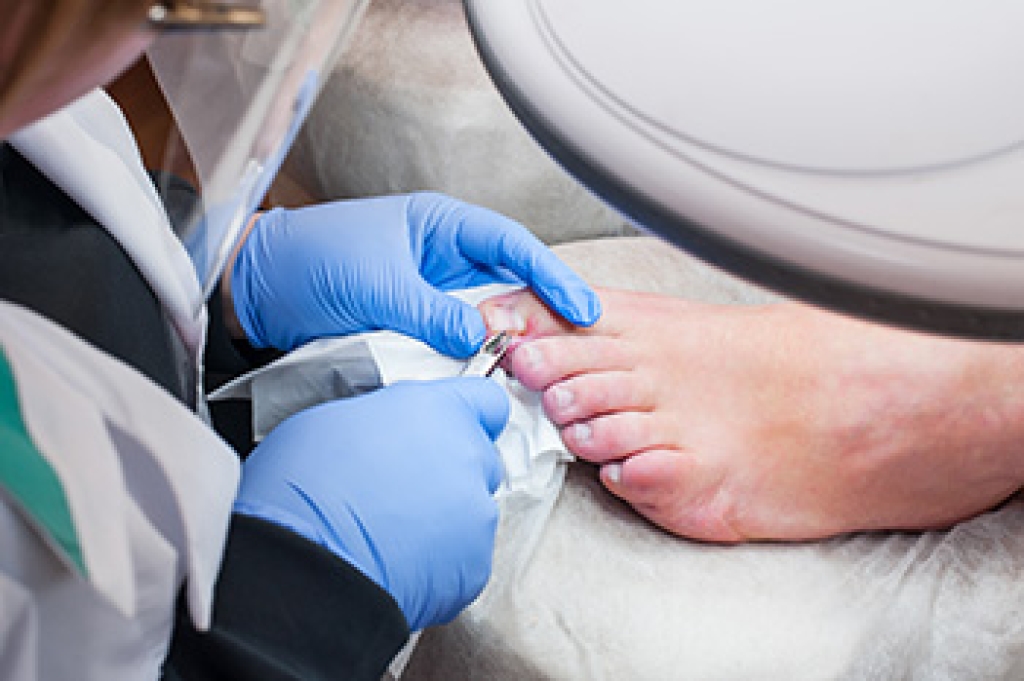
Ingrown toenail surgery is a procedure used to treat a toenail that grows into the surrounding skin, usually along the nail edge of the big toe. This condition can cause pain when walking or wearing shoes. Other symptoms include redness and swelling around the nail. In more advanced cases, drainage or infection may develop. Risk factors include trimming nails too short, wearing tight footwear, and injuring the toe. Although mild cases may improve with conservative care, persistent or infected ingrown toenails may require surgery to relieve pressure and prevent recurring problems.

A podiatrist usually begins by examining the toe and checking for signs of infection. If surgery is necessary, the toe is numbed with a local anesthetic to keep the procedure comfortable. One option is a wedge resection, in which the podiatrist removes the narrow section of nail growing into the skin. Partial toenail removal preserves most of the nail while relieving pressure. In more severe cases, complete toenail removal may be recommended, although it is not always necessary. The choice depends on the nail condition and whether the problem keeps returning.


For recurring ingrown toenails, a podiatrist may perform a matrixectomy. This procedure treats part of the nail matrix, the tissue responsible for nail growth, to help prevent the affected edge from growing back. Chemical treatment or another method may be used. Tip-of-toe surgery is less common and may be considered for selected severe cases involving persistent tissue problems. After treatment, the podiatrist applies a dressing and explains how to clean and protect the toe. Healing recommendations include limiting pressure and attending follow-up visits.


Most patients return to normal activities gradually as tenderness improves. Keeping the toe clean and wearing roomy shoes can support recovery. If you have an ingrown toenail that causes ongoing pain or signs of infection, it is suggested that you consult a podiatrist who may discuss the benefits of this type of surgery with you.

Foot surgery is sometimes necessary to treat a foot ailment. To learn more, contact Abeer M. Foteh, DPM of Greater Houston Foot Centers. Our doctor will assist you with all of your foot and ankle needs.

When Is Surgery Necessary?

Foot and ankle surgery is generally reserved for cases in which less invasive, conservative procedures have failed to alleviate the problem. Some of the cases in which surgery may be necessary include:

  • Removing foot deformities like bunions and bone spurs
  • Severe arthritis that has caused bone issues
  • Cosmetic reconstruction

What Types of Surgery Are There?

The type of surgery you receive will depend on the nature of the problem you have. Some of the possible surgeries include:

  • Bunionectomy for painful bunions
  • Surgical fusion for realignment of bones
  • Neuropathy decompression surgery to treat nerve damage

Benefits of Surgery

Although surgery is usually a last resort, it can provide more complete pain relief compared to non-surgical methods and may allow you to finally resume full activity.

Surgical techniques have also become increasingly sophisticated. Techniques like endoscopic surgery allow for smaller incisions and faster recovery times.

If you have any questions, please feel free to contact our office located in Baytown, TX . We offer the newest diagnostic and treatment technologies for all your foot care needs.

Read more about Foot and Ankle Surgery

Definition and Causes of PAD

Peripheral artery disease, or PAD, is a circulation disorder that develops when arteries supplying blood to the legs and feet become narrowed or blocked. Reduced blood flow can affect how tissues receive oxygen and nutrients. PAD can develop gradually, so some people do not notice symptoms at first. When symptoms occur, they may include leg or foot pain while walking that improves with rest. Cold feet, numbness, or changes in skin color can also occur. Foot wounds may heal slowly when circulation is reduced.

Several factors can increase the risk of PAD. Smoking is a major risk factor because it damages blood vessels and contributes to artery narrowing. The risk also increases with age and certain health conditions that affect circulation. High blood pressure and high cholesterol can contribute to artery disease. Diabetes is another important risk factor because it can damage blood vessels and nerves. A family history of cardiovascular disease may also increase susceptibility. Recognizing these factors can encourage earlier evaluation.


A podiatrist may examine your feet for changes in skin color, temperature, or wounds. Pulses in the feet can be checked to assess blood flow. If PAD is suspected, your podiatrist may recommend an ankle-brachial index or other vascular testing. Treatment focuses on improving circulation and reducing complications. Severe blockages may require procedures to restore blood flow.


PAD deserves attention because reduced circulation can affect foot health and wound healing. Pay attention to persistent foot discomfort or changes that do not improve. Early evaluation can help identify circulation problems before complications develop. A podiatrist can also help monitor your feet and coordinate care, when needed. If you have symptoms of PAD, it is suggested that you consult a podiatrist for an accurate diagnosis, treatment, and management tips.

Peripheral artery disease can pose a serious risk to your health. It can increase the risk of stroke and heart attack. If you have symptoms of peripheral artery disease, consult with Abeer M. Foteh, DPM from Greater Houston Foot Centers. Our doctor will assess your condition and provide you with quality foot and ankle treatment.

Peripheral artery disease (PAD) is when arteries are constricted due to plaque (fatty deposits) build-up. This results in less blood flow to the legs and other extremities. The main cause of PAD is atherosclerosis, in which plaque builds up in the arteries.

Symptoms

Symptoms of PAD include:

  • Claudication (leg pain from walking)
  • Numbness in legs
  • Decrease in growth of leg hair and toenails
  • Paleness of the skin
  • Erectile dysfunction
  • Sores and wounds on legs and feet that won’t heal
  • Coldness in one leg

It is important to note that a majority of individuals never show any symptoms of PAD.

Diagnosis

While PAD occurs in the legs and arteries, Podiatrists can diagnose PAD. Podiatrists utilize a test called an ankle-brachial index (ABI). An ABI test compares blood pressure in your arm to you ankle to see if any abnormality occurs. Ultrasound and imaging devices may also be used.

Treatment

Fortunately, lifestyle changes such as maintaining a healthy diet, exercising, managing cholesterol and blood sugar levels, and quitting smoking, can all treat PAD. Medications that prevent clots from occurring can be prescribed. Finally, in some cases, surgery may be recommended.

If you have any questions, please feel free to contact our office located in Baytown, TX . We offer the newest diagnostic and treatment technologies for all your foot care needs.

Read more about Peripheral Artery Disease
Connect with us